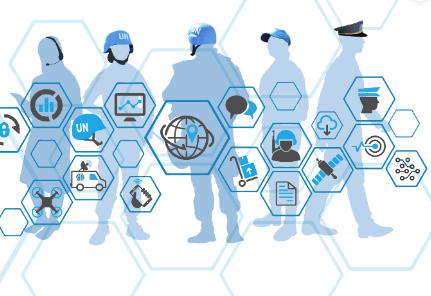
In today’s world, conflicts have become more complicated and multifaceted. The world is experiencing various challenges, including political instability, social tensions, economic inequalities, and environmental emergencies. Peace operations conducted by the United Nations are currently facing difficult challenges that require creative solutions. In order to address these challenges directly, the UN has embraced advanced information systems and technologies that improve the effectiveness and efficiency of peacekeeping missions.

Artificial Intelligence (AI) in Peacekeeping
- Predictive Analytics: AI-powered predictive analytics are crucial to peacekeeping.
AI will predict conflicts and crises by examining historical data and current trends,
allowing peacekeepers to respond. Computer programs can monitor social media and
other communication channels for rising tensions or misinformation, alerting UN
personnel. - Automated Reporting: AI automates report generation and facilitates the analysis of large data sets. It can gather and analyze data to create detailed reports on critical issues and trends, reducing peacekeeping staff workload and ensuring accurate information dissemination.
Unite Aware: Enhancing Situational Awareness and Predicting Conflicts
In the rapidly evolving landscape of global peace operations, the United Nations (UN) has consistently sought innovative ways to enhance the effectiveness and safety of its missions. One such initiative is the introduction of Unite Aware, a digital platform designed to improve situational awareness and information management within UN peacekeeping missions.
The Unite Aware plays a crucial role in predicting conflicts and improving situational awareness. Unite Aware is a robust platform that utilizes up-to-the-minute data and cutting-edge analytics to offer peacekeepers a holistic perspective of the operational environment.
- Real-Time Data Integration: A Comprehensive Perspective on the Battlefield: Unite Aware gathers information from various sources, such as satellite imagery, social media, local reports, and on-the-ground sensors. The data is processed and analyzed to generate a real-time understanding of the current situation. Peacekeepers rely on up-to-date information to make prompt and well-informed decisions. Unite Aware offers a comprehensive perspective that is essential for efficient mission Senior leadership, whether it involves monitoring troop movements, tracking potential threats, or evaluating the outcomes of humanitarian efforts.
- Anticipating Conflict: Staying One Step Ahead: Unite Aware is capable of anticipating conflicts before their actual occurrence. Through analyzing various data patterns, such as shifts in social media sentiment, economic changes, or abnormal troop activities, Unite Aware can detect potential flashpoints before they escalate into major conflicts. This advanced capability enables peacekeepers to proactively address potential issues, whether it involves intensifying patrols in a volatile region, pursuing diplomatic initiatives to reduce tensions, or reallocating resources to effectively counter emerging threats. Through its proactive approach, Unite Aware effectively mitigates conflicts, ensuring the preservation of lives and stability.

Unlocking the Power of Big Data Analysis for Better Decision-Making
Alongside tools such Unite Aware,SAGE, IBM2, and Power BI, the UN is placing greater emphasis on utilizing Big Data analysis to improve decision-making in peacekeeping operations. Big Data is all about the massive amounts of information that come from a wide range of sources, such as social media, sensors, reports, and so on. When thoroughly examined, this data offers valuable insights that can inform strategic decision-making.
- Early Warning Systems: Spotting Risks Before They Spiral Out of Control
Big Data is essential for the creation of early warning systems, which help detect risks and potential conflicts before they become more serious. Through the analysis of data trends, such as changes in public sentiment or rises in violence, these systems have the ability to notify peacekeepers of potential dangers. This enables prompt interventions, whether through diplomatic channels, enhanced security measures, or humanitarian assistance. Early warning systems play a crucial role in modern peacekeeping, offering the ability to anticipate and prevent crises instead of just reacting to them.
- Resource Allocation: Maximizing Efficiency: Resource allocation is another crucial application of Big Data in peacekeeping. Peacekeeping missions frequently operate with scarce resources, making it crucial to allocate personnel and assets to the areas where they are most needed. Utilizing Big Data analysis can greatly enhance the efficiency of resource allocation by offering valuable insights. By analyzing patterns in data, peacekeepers can effectively determine which areas are most at risk and prioritize their efforts accordingly. Efficient resource utilization maximizes their impact on the ground.
Embracing a mindset of continuous learning is crucial for enhancing future operations: Peacekeepers can leverage Big Data to analyze past missions and enhance future operations. Through careful analysis of data from previous deployments, the UN can gain valuable insights into the effectiveness of different strategies and the challenges that were faced. These valuable insights can greatly enhance tactics, training, and the development of new approaches to peacekeeping. By embracing Big Data, organizations can cultivate a mindset of constant learning and adaptability, enabling peacekeeping operations to stay ahead of the curve in a rapidly changing world.
Geographic Information Systems (GIS)
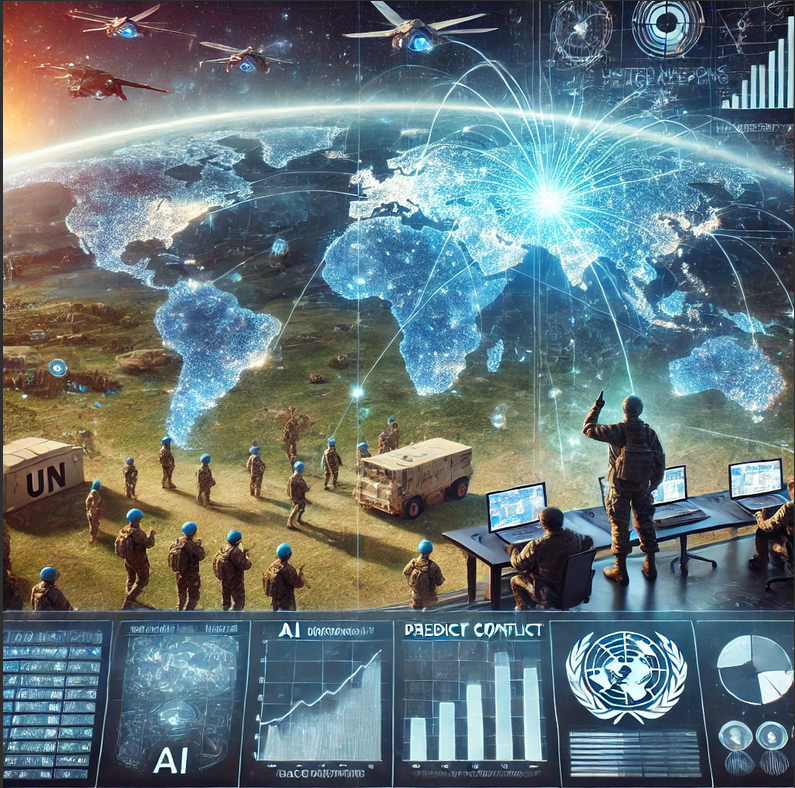
Mapping and Visualization: GIS technology creates detailed maps and visualizations for peace operations planning and execution. These maps can show troop positions, conflict zones, and humanitarian aid distribution. Geospatial data visualization helps peacekeepers understand their operations and make better decisions.
Route Optimization: Route optimization with GIS ensures efficient personnel and supply movement. By analyzing geographic data, GIS can find the safest and most efficient routes to protect peacekeepers and deliver essential supplies on time.
Environmental Monitoring: Environmental factors frequently play a significant role in peacekeeping operations. GIS enables the tracking of environmental conditions such as weather patterns, terrain, and natural disasters. This information is critical for operational planning and ensuring the safety of personnel.
Conclusion
Information Systems are transforming United Nations peacekeeping operations, providing critical support for decision-making, coordination, and resource management. Technologies such artificial intelligence, and big data analysis are improving the efficiency and efficacy of peace operations, therefore allowing peacekeepers to react quickly and powerfully to challenging circumstances. Their increasing importance in peacekeeping as these technologies develop will help to open the path for more effective and sustainable peace initiatives all around.
 InfoSys Insights
Leave a comment